

Compliant Custom Software Tools and Prototypes for White-Label and Internal Solutions
Companies that need white-label or internal software tools face a critical decision: build from scratch, or partner with a development team that already understands compliance, prototyping, and brand-flexible architecture. Custom software development is the process of building a fully tailored software solution designed around your specific business processes, workflows, and long-term goals. For businesses in Indianapolis, Westfield, Carmel, and beyond, finding a local partner who delivers compliant, scalable prototypes can mean the difference between months of delays and a rapid, confident launch. This guide breaks down what compliant custom software development looks like, why white-label readiness matters, and how to choose the right partner.
What Is Compliant Custom Software?
Compliant custom software is a purpose-built application that meets industry-specific regulatory requirements such as HIPAA, GDPR, or SOC 2 while serving a company's unique operational needs. Unlike off-the-shelf tools, these solutions are engineered to fit your existing tech stack and scale with your growth.
According to industry analysis, security and compliance are non-negotiable in sectors like healthcare, fintech, and legal tech, where software must be built to specific standards from the ground up. This is precisely where custom development outperforms generic platforms.
White-Label vs. Internal Solutions: Key Differences
A white-label solution is a ready-made software product developed by one company and rebranded by another to sell or deploy under its own brand. An internal solution, by contrast, is built exclusively for a company's own operations and is never resold. Understanding the distinction helps you scope your project correctly.
| Factor | White-Label Solution | Internal Solution |
|---|---|---|
| Branding | Fully rebrandable for resale | Single brand, internal use only |
| Customization | Configurable UI/UX per client | Tailored to one workflow |
| Compliance Scope | Must cover multiple end-user contexts | Focused on your industry requirements |
| IP Ownership | Licensing or transfer agreements required | Full ownership retained |
| Scalability | Multi-tenant architecture preferred | Single-tenant is often sufficient |
| Time to Market | Faster with pre-built frameworks | Varies with complexity |
For businesses exploring white-label options, the key advantage is speed. As 2am.tech explains, companies can skip lengthy development and offer a fully functional product under their own brand.
Why Compliance Matters from Day One
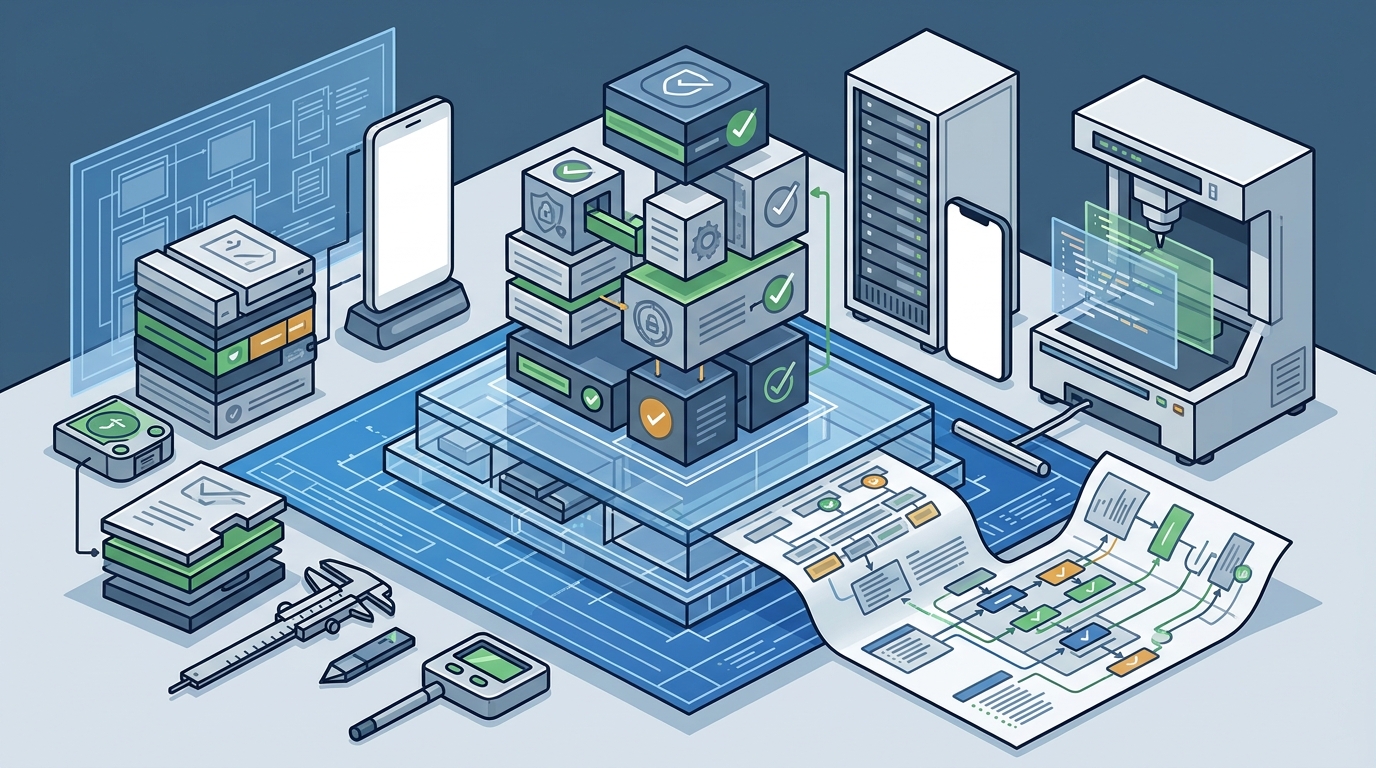
Baking compliance into software architecture at the prototype stage saves enormous cost and risk later. Industries such as healthcare, insurance, banking, and finance are heavily regulated, requiring strong security measures and industry-specific features from the start.
Common Compliance Frameworks
Depending on your sector, your custom software may need to satisfy HIPAA (healthcare data), GDPR (EU data privacy), SOC 2 (service organization controls), or PCI DSS (payment card data). Failing to plan for these at the MVP stage creates costly rework.
The Cost of Ignoring Compliance Early
According to Softteco's analysis, MVP costs range from $15,000 to $150,000 or more, and compliance requirements are a major cost driver. Adding regulatory features after launch can double the original investment and delay your go-to-market timeline significantly.
MVP and Prototype Development for Faster Validation
A Minimum Viable Product (MVP) is the leanest version of your product that delivers enough value for early users while generating real feedback. Prototyping is the precursor to an MVP, allowing you to test user experience and design before writing production code.
Typical MVP Timeline
Discovery and consulting takes one to two weeks, UI/UX design runs two to three weeks, core development spans four to eight weeks, and QA testing adds another one to two weeks. The entire cycle from concept to functional MVP typically falls within 10 to 16 weeks.
Why Local Partners Accelerate the Process
Working with a nearby development team allows for in-person discovery sessions, faster feedback loops, and better alignment on business goals. Companies in the greater Indianapolis area benefit from partners who understand regional business dynamics and can meet on-site for critical planning sessions.
Choosing the Right Custom Software Partner
Not every development firm is equipped to handle compliant, white-label-ready software. Here is what to evaluate when selecting a partner:
- Industry experience: Look for teams with backgrounds at enterprise-level companies who understand scalable architecture.
- Compliance awareness: Your partner should proactively address regulatory requirements during discovery, not after launch.
- Full-stack capability: Technologies like React, Node.js, TypeScript, and modern database systems are essential for flexible, maintainable solutions.
- Transparent process: A structured engagement model with clear milestones reduces risk and keeps projects on budget.
- IP and ownership clarity: Reputable firms transfer intellectual property rights to the client upon project completion and final payment.
A strong vetted contractor network further extends a partner's ability to deliver specialized expertise without inflating overhead.
How Maranatha Tech Solutions Approaches Custom Software
Maranatha Tech Solutions is a Westfield, Indiana-based technology services company that serves businesses, churches, nonprofits, and residential customers across Indianapolis, Carmel, and Fishers. The company is actively expanding its custom software development practice, helping organizations build compliant prototypes, MVPs, and white-label tools.
Enterprise-Level Expertise, Local Service
The Maranatha team brings over 15 years of software engineering and IT experience from companies like Salesforce and SeedCompany. This enterprise background translates into production-grade architecture for projects of any size, with the personal attention of a local partner.
Software Integrations and MVP Development
From software integrations and prototype development to outsourced engineering, Maranatha Tech Solutions works as a custom software partner for businesses that need reliable, compliant tools without building an in-house team. Their full-stack expertise includes React, JavaScript, TypeScript, Node.js, and modern database technologies.
Whether you need an internal operations tool or a white-label product you can bring to market under your own brand, you can schedule a free consultation to discuss your project scope and compliance requirements.
Key Takeaways
- Compliant custom software addresses industry-specific regulations like HIPAA, GDPR, and SOC 2 from the architecture level.
- White-label solutions let you rebrand and resell software, while internal tools serve your own operations exclusively.
- Building compliance into the MVP stage prevents costly rework and regulatory risk later.
- A typical MVP cycle runs 10 to 16 weeks from discovery through QA testing.
- Local development partners offer faster feedback loops and in-person discovery sessions.
- IP ownership should be clearly defined in your development contract before work begins.
- Maranatha Tech Solutions combines enterprise-level software engineering with local, relationship-driven service in Central Indiana.
Frequently Asked Questions
What is white-label software development?
White-label software development is a model where a software product is developed by one company and then rebranded, customized, and sold by another company as its own. The end users never see the original developer's branding.
How much does MVP development cost in 2025?
MVP development costs range from $15,000 to $150,000 or more, depending on feature complexity, tech stack, team location, and compliance requirements. A discovery phase helps establish a realistic budget before development begins.
Why should compliance be addressed at the prototype stage?
Adding regulatory features after launch can multiply costs and delay your timeline. Industries like healthcare and finance require security measures built into the architecture from day one to avoid legal and financial risk.
What technologies are used for custom software and MVPs?
Modern custom software projects commonly use React, Node.js, TypeScript, and cloud-native infrastructure on AWS, GCP, or Azure. The specific stack depends on your project's requirements and scalability goals.
Can an MVP evolve into a full enterprise product?
Yes, if the MVP is architecturally planned with future scalability in mind using cloud-native infrastructure and clean code practices, it can be extended into a full product without a complete rebuild.
Who owns the code after an MVP project is completed?
In most cases, clients retain full ownership of the code, provided this is clearly outlined in the development contract. Always confirm IP transfer terms before starting a project.
Does Maranatha Tech Solutions build white-label software?
Yes. Maranatha Tech Solutions helps businesses build compliant custom software tools, prototypes, and white-label solutions. The team brings enterprise experience from companies like Salesforce and offers a structured, relationship-driven approach to every engagement.
What areas does Maranatha Tech Solutions serve?
Maranatha Tech Solutions is based in Westfield, Indiana and serves businesses and organizations across Indianapolis, Carmel, Fishers, Noblesville, and the greater Central Indiana region.
Ready to Build Your Custom Software Solution?
Whether you need a compliant internal tool or a white-label product ready for market, Maranatha Tech Solutions can help you move from concept to launch with confidence. Contact us today or schedule a free consultation to discuss your project.