

Building internal tools or white-label products requires more than just coding skills. It demands a partner who understands enterprise-grade engineering, data privacy, and scalable architecture. According to recent industry analyses, organizations that prioritize custom software development see a significant increase in operational efficiency and competitive advantage. This guide explores how to identify the right development partner for your specific needs.
Understanding Compliance in Custom Development
Compliance is not an afterthought. It is a foundational element of any serious software project. When you build custom software, you are responsible for how data is stored, processed, and secured. GDPR-compliant builds are essential for any company handling European user data. This means implementing data minimization, right-to-erasure protocols, and secure encryption standards from day one.
For companies in the United States, HIPAA compliance may be necessary if handling health information. Similarly, SOC 2 Type II certification is often required for B2B SaaS platforms. A development team must understand these regulatory frameworks to avoid costly rework. Maranatha Tech Solutions emphasizes enterprise-level engineering to ensure that every line of code meets these rigorous standards.
Security is also about architecture. Multi-tenant SaaS architecture, for example, requires strict data isolation between clients. This prevents one tenant from accessing another's data, a critical requirement for trust and compliance. Without proper isolation, even the best application can become a liability.
White-Label vs. Internal Solutions
Choosing between a white-label product and an internal tool depends on your business model. White-label software allows you to rebrand and sell a product as your own. This is ideal for agencies or consultancies looking to expand their service offerings without building from scratch. Internal tools, on the other hand, are built specifically for your team to improve efficiency.
Internal tools often solve unique problems that off-the-shelf software cannot. They integrate directly with your existing databases and workflows. For example, a custom field-service management platform can streamline dispatching for a specific industry. Maranatha Tech Solutions has experience building multi-tenant field-service management SaaS platforms that serve entire industries.
White-label solutions require a different approach. They must be generic enough to fit multiple brands but customizable enough to meet specific needs. This requires a robust design system and flexible configuration options. The goal is to reduce time-to-market while maintaining high quality.
Key Technologies for Modern Builds
The technology stack you choose impacts scalability, security, and maintainability. Modern custom software often relies on a combination of TypeScript, React, and Node.js. This stack provides type safety, a rich ecosystem of libraries, and high performance.
Database selection is equally important. PostgreSQL is a popular choice for its reliability and advanced features. For complex queries and large datasets, it offers superior performance compared to older systems. Maranatha Tech Solutions utilizes PostgreSQL and other modern databases to ensure data integrity and speed.
Cloud infrastructure is another critical component. AWS, Google Cloud Platform, and Azure offer scalable resources for hosting applications. Infrastructure as Code (IaC) tools like AWS CDK or CloudFormation allow teams to manage their infrastructure programmatically. This reduces human error and ensures consistent deployments.
Selection Criteria for Your Partner
Finding the right development partner requires careful evaluation. Look for a team with enterprise-level experience. This ensures they understand the complexities of large-scale systems. Maranatha Tech Solutions brings over 15 years of experience from companies like Salesforce and SeedCompany.
Transparency is key. A good partner will communicate clearly about timelines, costs, and technical decisions. They should also provide ongoing support after the launch. Software is never truly "done." It requires updates, security patches, and feature enhancements.
Consider their portfolio. Have they built similar solutions before? Look for case studies that demonstrate their ability to handle complex requirements. Maranatha Tech Solutions has a proven track record of shipping production-grade software for diverse clients.
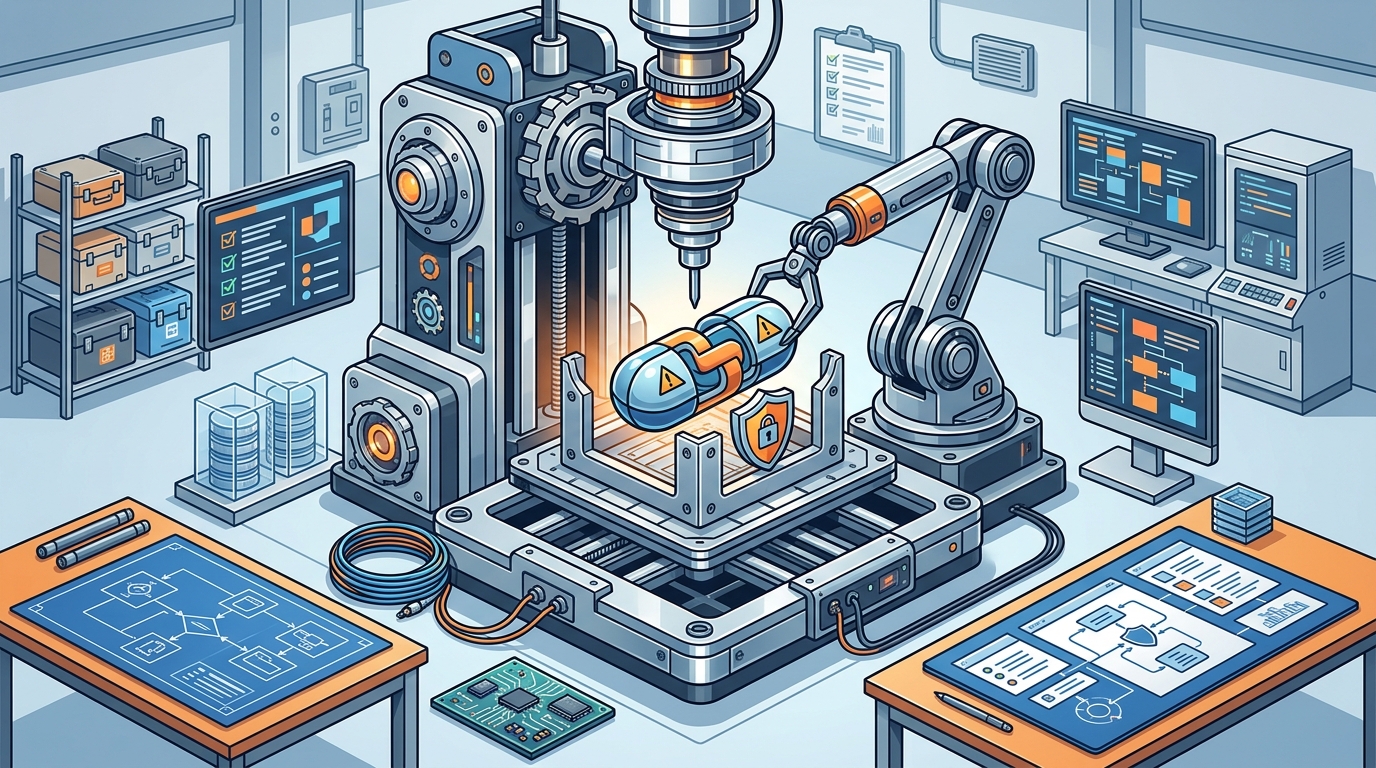
The Development Lifecycle
A structured development process ensures project success. It typically begins with discovery, where requirements are gathered and analyzed. This phase is critical for defining the scope and avoiding scope creep.
Next comes design and prototyping. Wireframes and interactive prototypes help stakeholders visualize the final product. This allows for feedback and iteration before significant development effort is invested. Maranatha Tech Solutions focuses on custom software that aligns with your business goals.
Development follows, with regular sprints and continuous integration. Testing is integrated throughout the process to catch bugs early. Finally, deployment and monitoring ensure the application runs smoothly in production. This end-to-end approach minimizes risk and maximizes value.
Key Takeaways
- Compliance is foundational: GDPR and HIPAA requirements must be built into the architecture, not added later.
- White-label vs. Internal: Choose white-label for resale opportunities and internal tools for operational efficiency.
- Technology matters: Modern stacks like TypeScript, React, and Node.js offer performance and type safety.
- Experience counts: Partners with enterprise backgrounds understand scalability and security better.
- Ongoing support is vital: Software requires continuous maintenance and updates to remain secure and relevant.
- Transparency builds trust: Clear communication about timelines and costs prevents misunderstandings.
- Portfolio verification: Review past projects to ensure the partner has relevant experience.
Frequently Asked Questions
What is the difference between white-label and custom software?
White-label software is pre-built and rebranded for resale, while custom software is built from scratch to meet specific business needs. Custom solutions offer greater flexibility and control.
How long does it take to build a custom prototype?
Prototypes can typically be built in 4 to 8 weeks, depending on complexity. This timeline includes design, development, and initial testing phases.
Is custom software secure?
Yes, custom software can be highly secure if built with best practices. Maranatha Tech Solutions implements enterprise-level security standards to protect your data.
Do you offer ongoing support?
Yes, we provide ongoing maintenance and support to ensure your software remains secure and up-to-date. Contact us to discuss support plans.
What technologies do you use?
We use modern technologies like TypeScript, React, Node.js, and PostgreSQL. These tools ensure performance, scalability, and maintainability.
Can you help with compliance?
Absolutely. We design our systems to be compliant with regulations like GDPR and HIPAA from the ground up.
How do I get started?
Start by scheduling a free consultation. We will discuss your project requirements and provide a tailored proposal. Visit our schedule page to book a time.