
Essential Features and Standards for Church Portal Development with React and GraphQL
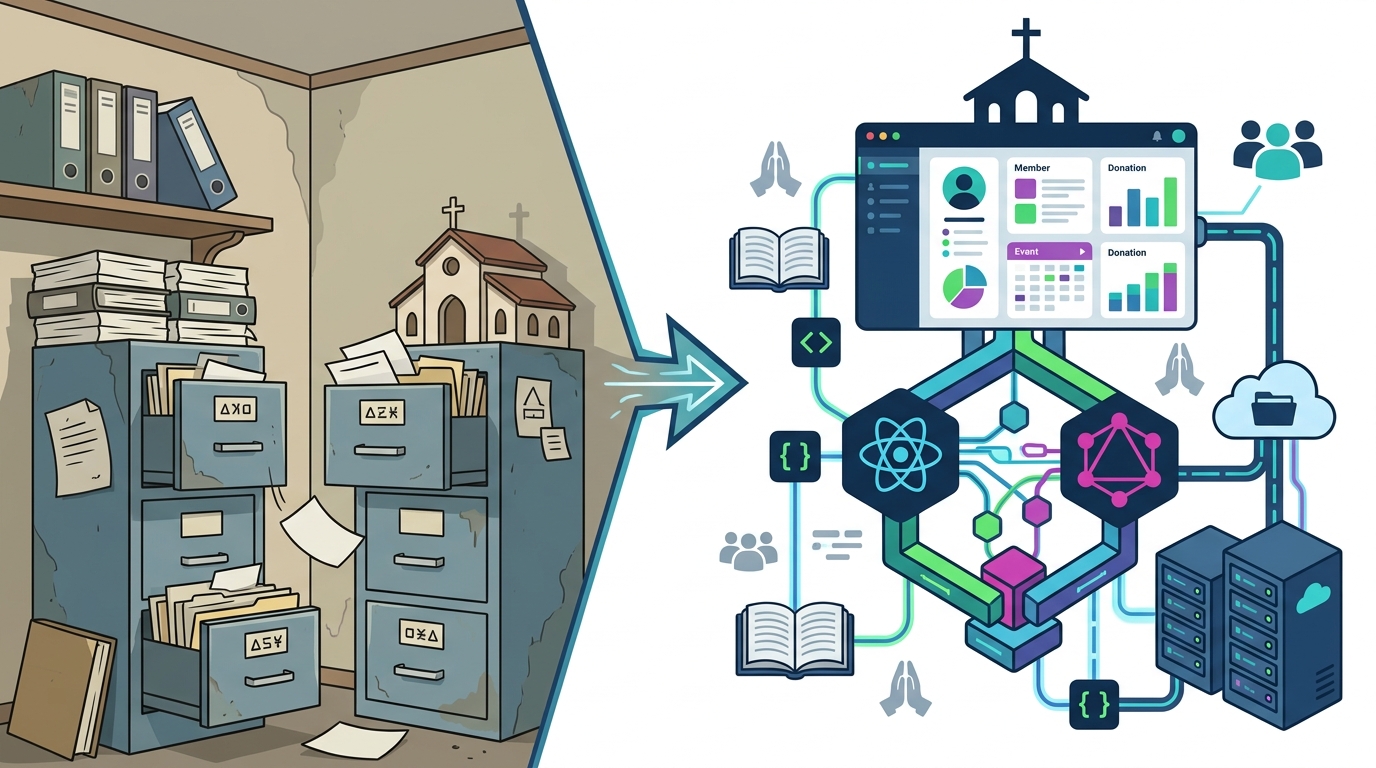
Modern church administration has shifted dramatically from paper-based systems to cloud-native digital ecosystems. According to recent industry data, over 60% of congregations now utilize dedicated software platforms for member engagement and administrative efficiency. This transition demands robust, secure, and scalable architectures. For technology partners serving religious organizations, building a custom church portal requires a precise blend of user-centric design and enterprise-grade backend logic. This guide outlines the critical technical standards for developing these systems using React and GraphQL, ensuring data integrity, security, and seamless user experiences.
Why Custom Church Software Outperforms Off-the-Sheshelf Solutions
Many churches begin with generic Customer Relationship Management (CRM) tools. However, these platforms often lack the specific workflows required for ministry operations. Custom software is bespoke application engineering tailored to the unique operational rhythms of a religious organization. Unlike rigid SaaS products, a custom-built portal can adapt to changing denominational requirements, specific donation tracking needs, and volunteer scheduling complexities.
Maranatha Tech Solutions specializes in building these tailored ecosystems. We understand that a church is not just a business; it is a community. Our approach integrates enterprise-level engineering with a servant's heart, ensuring that the technology serves the mission rather than complicating it. By leveraging modern stacks like React and GraphQL, we create systems that are both powerful for administrators and intuitive for congregants.
For more details on our philosophy, visit our About page to learn about our commitment to integrity and excellence in software development.
React Frontend Standards for Accessibility and Performance
The user interface is the primary point of interaction for church members. React has become the industry standard for building dynamic, single-page applications due to its component-based architecture and virtual DOM performance. When developing a church portal, adherence to specific React standards is non-negotiable for ensuring accessibility and speed.
Accessibility First (WCAG Compliance)
Churches serve diverse populations, including elderly members and individuals with disabilities. React applications must adhere to Web Content Accessibility Guidelines (WCAG) 2.1 AA standards. This includes proper ARIA labels, keyboard navigation support, and high-contrast color modes. A portal that excludes any segment of the congregation fails its core mission.
Component Reusability and Design Systems
Building a scalable React application requires a strict design system. Components for donation forms, event calendars, and prayer request submissions should be modular. This ensures consistency across the platform and reduces development time for future updates. Our team utilizes a production-grade design system to maintain visual and functional coherence.
Explore our Web Development services to see how we implement modern, accessible frameworks for our clients.
GraphQL Backend Architecture for Complex Data Models
Church data is inherently relational and complex. It involves members, families, donations, events, volunteer roles, and small group memberships. Traditional REST APIs often struggle with the "over-fetching" or "under-fetching" of data in these scenarios. GraphQL solves this by allowing the client to request exactly the data it needs.
Efficient Data Fetching
In a church portal, a dashboard might need to display a user's donation history, upcoming events, and small group details simultaneously. With GraphQL, this is a single query. This reduces network latency and improves the perceived performance of the application, which is critical for user retention.
Type Safety and Schema Definition
GraphQL provides a strongly typed schema. This acts as a contract between the frontend and backend. For a church administrator, this means that if a data field changes, the system immediately flags potential breaks in the UI. This reduces bugs and ensures that critical data, such as financial records, remains accurate and consistent.
We utilize AI Automation and Custom Software development to build robust GraphQL schemas that scale with your congregation's growth.
Essential Features for Modern Church Portals
A successful church portal must balance administrative power with member engagement. Below are the critical features that define a high-performing system.
1. Secure Donation and Tithing Management
Financial transparency is paramount. The portal must support recurring donations, one-time gifts, and designated fund tracking. It should generate automated tax receipts and provide real-time analytics for church leadership. Security here is not optional; it requires PCI-DSS compliance and encrypted data transmission.
2. Volunteer and Ministry Scheduling
Coordinating volunteers for childcare, worship teams, and outreach programs is a logistical challenge. A custom portal allows members to sign up for shifts, view their commitments, and receive automated reminders. This reduces the administrative burden on pastoral staff significantly.
3. Member Directory and Family Grouping
Privacy is a major concern in member directories. The system must allow for granular privacy controls, where some information is public while other details are restricted to authorized administrators. Family grouping ensures that data is organized logically for communication and reporting.
4. Event Management and Registration
3>From Sunday services to mid-week Bible studies, event management must be seamless. Features should include calendar integration, ticketing for special events, and automated email confirmations. This helps churches track attendance and engagement trends over time.
See our Portfolio to view examples of custom web applications we have engineered for various industries.
Security and Compliance Standards for Sensitive Data
Churches hold sensitive personal information, including addresses, phone numbers, and financial data. Protecting this data is a legal and ethical obligation. The following standards must be integrated into the development lifecycle.
Data Encryption and Storage
All data at rest and in transit must be encrypted. This includes using TLS 1.3 for network communication and AES-256 for database storage. Regular security audits and vulnerability assessments are essential to identify and patch potential weaknesses.
Role-Based Access Control (RBAC)
Not everyone in the church needs access to all data. RBAC ensures that only authorized personnel can view or edit sensitive information. For example, a volunteer might only see their assigned shifts, while a treasurer can view financial reports.
GDPR and Privacy Regulations
Even if a church is not in the EU, adhering to GDPR principles is best practice. This includes the right to data deletion, data portability, and clear consent mechanisms for communication. Our builds are GDPR-compliant by design, ensuring that your church meets global privacy standards.
For more on our security practices, review our IT Infrastructure services.
Comparison of Development Approaches
Understanding the differences between custom development and off-the-shelf solutions is crucial for church leadership.
| Feature | Custom React & GraphQL Build | Off-the-Shelf SaaS Platform |
|---|---|---|
| Flexibility | High. Tailored to specific workflows. | Low. Limited to pre-set features. |
| Ownership | Full ownership of code and data. | Licensed access only. |
| Scalability | Architecturally scalable via cloud infrastructure. | Dependent on vendor limits. |
| Cost Structure | Higher initial investment, lower long-term TCO. | Lower initial cost, recurring subscription fees. |
| Support | Dedicated technical partnership. | Generic customer support. |
Key Takeaways
- Customization is Key: Off-the-shelf solutions often force churches to adapt their processes to the software, rather than the other way around.
- React Ensures Performance: The component-based nature of React allows for fast, accessible, and maintainable user interfaces.
- GraphQL Optimizes Data: Efficient data fetching reduces latency and improves the experience for users with varying internet speeds.
- Security is Non-Negotiable: Protecting member data requires encryption, RBAC, and compliance with privacy regulations like GDPR.
- Scalability Matters: A well-architected system grows with the church, handling increased users and data without degradation.
- Local Expertise: Partnering with a local team like Maranatha Tech Solutions ensures responsive support and understanding of regional needs.
- Long-Term Value: While custom development has a higher upfront cost, it eliminates recurring subscription fees and provides full asset ownership.
Frequently Asked Questions
How long does it take to build a custom church portal?
The timeline varies based on complexity, but a typical custom build takes between 3 to 6 months. This includes discovery, design, development, and testing phases.
Can a custom portal integrate with existing church software?
Yes. We specialize in system integration, ensuring your new portal works seamlessly with existing tools like accounting software or email marketing platforms.
Is React suitable for large congregations?
Absolutely. React is highly scalable and is used by major enterprises worldwide. When paired with a robust backend, it handles thousands of concurrent users efficiently.
What security measures are included in the build?
We implement industry-standard security practices, including data encryption, secure authentication, regular vulnerability scans, and compliance with privacy regulations.
Do you provide ongoing support after launch?
Yes. We offer ongoing maintenance and support plans to ensure your portal remains secure, up-to-date, and performing optimally.
How does GraphQL improve the user experience?
GraphQL allows for faster page loads and more dynamic content updates by fetching only the necessary data, reducing wait times for users.
Can the portal be accessed on mobile devices?
Yes. We build responsive web applications that work flawlessly on smartphones, tablets, and desktops, ensuring accessibility for all members.
Start Your Church Portal Project
Transform your church's digital presence with a custom-built portal designed for engagement, security, and scalability. Whether you need a complete rebuild or a new feature set, Maranatha Tech Solutions is here to help. We combine enterprise-level engineering with a heart for service to deliver technology that honors your mission.
Schedule a Consultation today to discuss your project. We will follow up within one business day to explore how we can build a solution that lasts.