
Essential Evaluation Criteria for AI Automation Solutions in Nonprofit Administration
Nonprofit organizations are facing an unprecedented operational crisis. According to recent industry data, 78% of charities report that administrative overhead consumes more than 30% of their total budget, leaving fewer resources for direct mission impact. This statistic highlights a critical inefficiency that AI automation solutions are uniquely positioned to resolve. By integrating intelligent workflows, organizations can redirect funds toward their core purpose while maintaining rigorous compliance and donor trust. This guide outlines the definitive evaluation criteria for selecting technology partners who understand the nuanced needs of the sector. (Contact Us for IT)
Why Nonprofits Need Specialized AI
Generic automation tools often fail in the nonprofit sector because they lack context for grant reporting, donor stewardship, and volunteer management. AI automation is the strategic application of artificial intelligence to streamline repetitive administrative tasks. This definition distinguishes it from simple scripting, as it involves decision-making capabilities that adapt to changing data patterns. (About Maranatha Tech Solutions)
Nonprofits operate with thin margins and high stakes. A delay in grant processing or a missed donor follow-up can directly impact program delivery. Specialized solutions must offer more than just speed; they must offer accuracy and ethical alignment. For instance, AI-driven donor segmentation can increase engagement rates by analyzing past giving behavior and communication preferences. This level of insight requires a system that understands the relational nature of nonprofit fundraising. (Custom Software Web amp)
Furthermore, the technology must be accessible to teams that may not have dedicated IT departments. The best solutions provide intuitive interfaces that allow program managers to configure workflows without writing code. This democratization of technology ensures that the organization can adapt quickly to new funding opportunities or regulatory changes. (Software Engagement Models amp)
Data Privacy and Compliance Standards
Nonprofits handle sensitive data, including donor financial information and beneficiary records. Trust is the currency of the sector, and a single data breach can destroy an organization's reputation. Therefore, GDPR compliance is the adherence to strict European data protection regulations that ensure user privacy. This standard is increasingly becoming a global benchmark for data security.
When evaluating AI solutions, verify that the vendor employs encryption at rest and in transit. Look for clear data residency options, especially if your organization operates across borders. The vendor should provide a detailed data processing agreement that outlines exactly how your information is used, stored, and deleted.
Additionally, consider the ethical implications of AI decision-making. If the solution uses AI to screen applicants or allocate resources, it must be free from algorithmic bias. Ask the vendor about their testing protocols for fairness and transparency. A responsible AI framework is not just a technical requirement; it is a moral imperative for mission-driven organizations.
Integration with Existing Systems
No nonprofit operates in a vacuum. Your organization likely relies on a complex ecosystem of tools for fundraising, accounting, and communication. API integration is the method by which different software applications exchange data and functionality. Without robust API capabilities, your new AI tool will create data silos rather than solving them.
During the evaluation process, map out your current tech stack. Identify the critical data flows that need to be automated. For example, a new AI donor management tool must sync seamlessly with your accounting software to ensure accurate financial reporting. If the vendor cannot demonstrate proven integrations with platforms like Salesforce, Microsoft Dynamics, or QuickBooks, proceed with caution.
Look for vendors who offer pre-built connectors or middleware solutions. These reduce the time and cost of implementation. A partner with experience in multi-tenant SaaS architecture, like the one Maranatha Tech Solutions utilizes for its flagship product Servora, understands the complexity of managing multiple client data streams securely.
Cost Structure and Transparency
Nonprofits are often skeptical of hidden costs and long-term lock-in contracts. The financial model of your AI solution must align with your budget cycles. Total cost of ownership includes the initial subscription fees, implementation costs, and ongoing maintenance expenses. Understanding this full picture is essential for accurate financial planning.
Request a detailed breakdown of pricing tiers. Some vendors charge per user, while others charge based on the volume of automated tasks or data processed. For growing organizations, a scalable pricing model is preferable to avoid sudden cost spikes. Additionally, inquire about nonprofit discounts or grant-funded partnership programs.
Transparency extends beyond pricing. The vendor should clearly explain how their AI models are trained and updated. If the technology relies on third-party data sources, disclose this explicitly. A trustworthy partner will provide a clear roadmap for future features and updates, ensuring your investment remains relevant over time.
Vendor Expertise and Mission Alignment
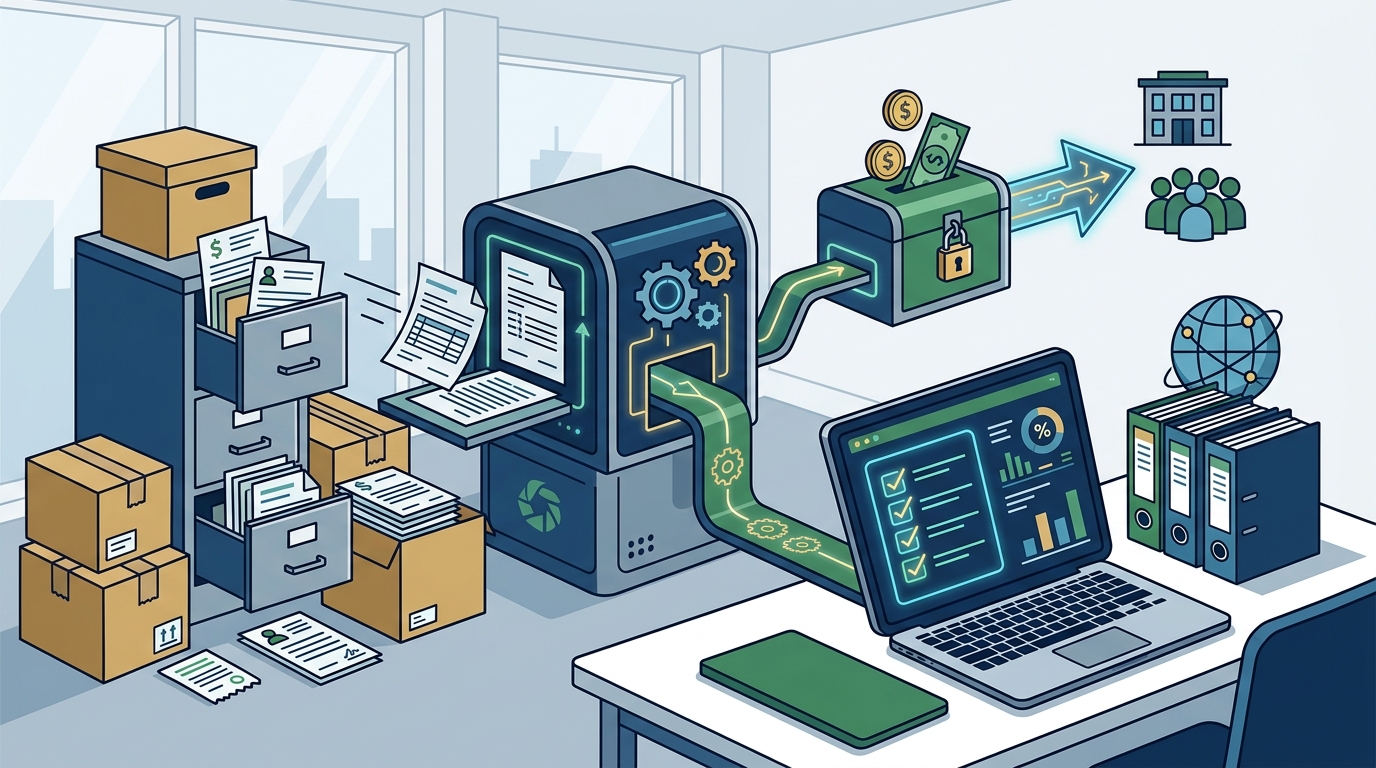
The choice of a technology partner is a strategic decision. You need a team that understands the unique pressures of the nonprofit sector. Enterprise-level engineering refers to the high standards of architecture, security, and scalability used by large corporations. Applying these standards to nonprofit solutions ensures reliability and performance.
Look for vendors with a proven track record in serving mission-driven organizations. Do they have case studies from similar nonprofits? Do their leadership team members have experience in the sector? At Maranatha Tech Solutions, our mission is to serve residential customers, small businesses, churches, and nonprofits with trustworthy, relationship-focused technology solutions. This commitment to integrity is reflected in every line of code we write.
Furthermore, evaluate the vendor's support structure. Nonprofits often need responsive, hands-on assistance. A dedicated account manager or a responsive support team can make the difference between a smooth implementation and a frustrating experience. Ask about their onboarding process and whether they provide training for your staff.
Comparison of Implementation Approaches
Organizations can approach AI automation in different ways. Understanding these options helps you choose the path that best fits your resources and goals.
| Approach | Description | Best For | Risk Level |
|---|---|---|---|
| Off-the-Shelf SaaS | Pre-built software with limited customization. | Small nonprofits with simple needs. | Low |
| Custom AI Development | Bespoke solutions built specifically for your workflows. | Organizations with unique, complex processes. | Medium |
| Hybrid Integration | Connecting existing tools with AI automation layers. | Organizations with established tech stacks. | Medium |
| Managed Service | Vendor manages the entire AI infrastructure. | Nonprofits lacking internal IT staff. | Low |
Custom development offers the highest degree of control and alignment with your mission. However, it requires a higher initial investment. Off-the-shelf solutions are faster to deploy but may lack the specific features you need. A hybrid approach often provides the best balance of flexibility and cost-efficiency.
Key Takeaways
- Mission Alignment: Choose partners who share your values and understand the nonprofit landscape.
- Data Security: Prioritize GDPR compliance and robust encryption to protect donor trust.
- Integration: Ensure the solution connects seamlessly with your existing CRM and accounting tools.
- Transparency: Demand clear pricing and open communication about AI model training.
- Expertise: Look for enterprise-level engineering experience applied to mission-driven contexts.
- Scalability: Select a solution that grows with your organization's needs.
- Support: Verify the availability of responsive, knowledgeable technical support.
Frequently Asked Questions
How does AI automation impact donor retention?
AI automation enhances donor retention by enabling personalized communication at scale. By analyzing donor behavior, organizations can send timely thank-you notes and relevant impact reports, fostering deeper relationships.
Is AI automation secure for sensitive nonprofit data?
Yes, when implemented correctly. Reputable vendors use enterprise-grade encryption and comply with data protection regulations like GDPR. Always verify the vendor's security protocols before sharing sensitive information.
Can small nonprofits afford custom AI solutions?
While custom development has higher upfront costs, it can be more cost-effective long-term by eliminating recurring subscription fees for multiple tools. Many vendors offer scalable pricing models or nonprofit discounts to make it accessible.
What is the typical implementation timeline?
Implementation timelines vary based on complexity. Simple integrations may take a few weeks, while comprehensive custom AI systems can take three to six months. A clear project plan from your vendor will provide a more accurate estimate.
How do I measure the ROI of AI automation?
Measure ROI by tracking time saved on administrative tasks, increased donor engagement rates, and reduced operational costs. Compare these metrics against the cost of the solution to determine its financial impact.
Do you offer ongoing support after deployment?
Yes, ongoing support is critical for long-term success. We provide continuous monitoring, maintenance, and strategic consulting to ensure your AI solutions evolve with your organization's needs.
What technologies do you use for AI automation?
We utilize a modern, production-grade stack including TypeScript, React, Node.js, Python, and PostgreSQL. Our AI capabilities leverage advanced LLM models and secure cloud infrastructure on AWS.
Start Your Automation Journey
Transforming your nonprofit's operations with AI is a strategic investment in your mission's future. By applying these evaluation criteria, you can select a partner who delivers not just technology, but trust and tangible impact. Maranatha Tech Solutions is ready to help you build custom software, web applications, and AI automation that honors your values. Schedule a Consultation today to discuss your specific needs and explore how we can support your organization's growth.