
Building a Minimum Viable Product (MVP) is the critical first step for any startup or enterprise innovation team in Northern Indiana. However, the path from concept to launch is fraught with technical and strategic pitfalls. According to recent industry data, approximately 42% of startups fail because their product lacks market need, often due to premature scaling or poor initial architecture. This statistic highlights why getting the prototype phase right is not just a technical exercise, but a business survival strategy. For teams in Indianapolis, Westfield, and Carmel, understanding these common errors can save months of development time and significant capital. (Contact Us for IT)
The Scope Creep Trap
One of the most frequent mistakes Northern Indiana teams make is attempting to build a "perfect" product rather than a viable one. Scope creep occurs when feature requests accumulate during development, diluting the core value proposition. An MVP is defined as the version of a new product which allows a team to collect the maximum amount of validated learning about customers with the least effort. When teams add too many features, they delay launch and increase costs exponentially. (Custom Software Web amp)
For example, a local fintech startup in Fishers might want to include advanced analytics, social sharing, and mobile apps in their initial release. This approach ignores the fundamental principle of MVP development: validate the core hypothesis first. By focusing on the single most important problem your solution solves, you can launch faster and iterate based on real data. Teams that resist this discipline often find themselves with a bloated product that no one wants to use.
To avoid this, define a strict "must-have" list for your prototype. Any feature that does not directly contribute to validating your core business hypothesis should be moved to the backlog. This discipline ensures that your development budget is spent on what matters most: proving that your solution works.
Choosing the Wrong Tech Stack
Another critical error is selecting a technology stack that is either too complex or too limiting for the project's goals. Many teams in the region choose trendy frameworks without considering long-term maintainability or team expertise. The choice of technology should align with your business requirements, not just current hype cycles.
For instance, using a heavy enterprise framework for a simple marketing site is inefficient, while using a no-code tool for a complex SaaS platform can lead to scalability issues later. A robust tech stack typically includes a reliable frontend, a scalable backend, and a secure database. For many Northern Indiana startups, a combination of TypeScript, React, and Node.js offers a balanced approach to speed and scalability.
It is also important to consider the availability of local talent. If you plan to hire developers in Indianapolis, choosing a stack with a strong local community can make recruitment and support easier. Conversely, if you are building a data-intensive application, you might need to look at Python or specialized cloud services. Understanding these trade-offs early prevents costly refactoring down the line.
Ignoring Early User Feedback
Building in isolation is a fatal mistake. Many technical founders in Northern Indiana spend months coding without showing their work to potential users. This approach assumes that the team knows what the customer wants, which is rarely true. User feedback is the compass that guides MVP development, ensuring that you are building the right thing.
Teams should adopt a "build-measure-learn" loop. This means releasing early versions to a small group of users, measuring their engagement, and learning from their behavior. For example, if you are building a field-service management tool, you should test it with a few local contractors before scaling. Their feedback will reveal usability issues and feature gaps that internal testing cannot detect.
Without this feedback, you risk building a product that is technically impressive but commercially irrelevant. Engaging with your target audience early and often ensures that your MVP evolves in the direction of market demand. This iterative process reduces risk and increases the likelihood of product-market fit.
Neglecting Security Foundations
Security is often an afterthought in the MVP phase, but this is a dangerous misconception. Even in early stages, data protection and compliance are critical. A breach during the prototype phase can destroy trust and lead to legal liabilities. Security must be built into the architecture from day one, not added as an afterthought.
For teams in Indiana, this means adhering to best practices for data encryption, secure authentication, and regular vulnerability assessments. GDPR compliance is also essential if you serve international clients. Neglecting these basics can lead to significant technical debt and reputational damage.
By integrating security into your development workflow, you ensure that your MVP is not only functional but also trustworthy. This proactive approach saves time and money by avoiding major security overhauls later. It also demonstrates to investors and partners that you take data protection seriously.
Premature Scaling
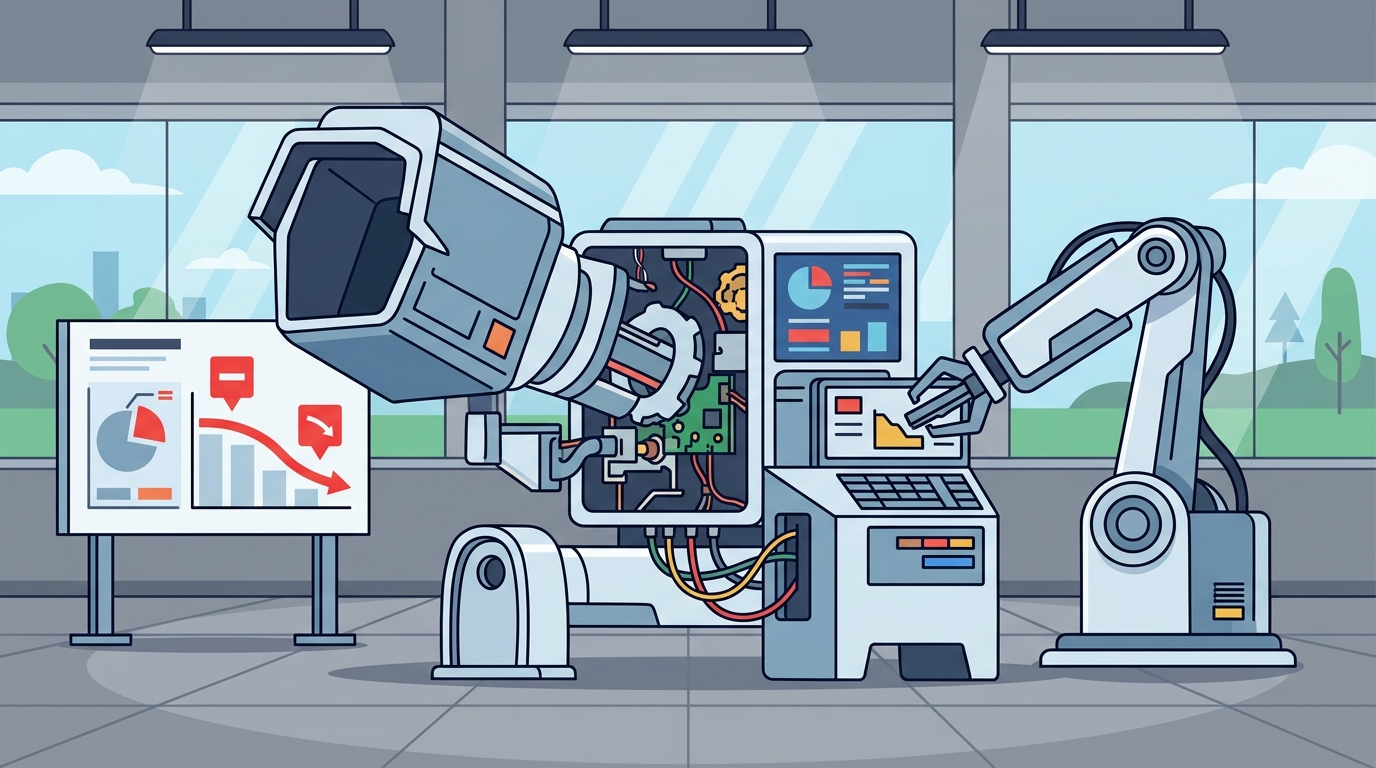
Scaling too early is a common trap for successful MVPs. Teams often invest heavily in infrastructure and architecture to handle millions of users before they have even validated their business model. This is a waste of resources and can stifle agility. Premature scaling involves adding complexity to your system before it is necessary.
Instead, focus on building a lean, efficient architecture that can grow organically. Use cloud services that allow you to scale up or down based on demand. This approach reduces upfront costs and allows you to pivot quickly if needed. For example, using serverless architectures can help you manage costs effectively during the early stages.
By resisting the urge to scale prematurely, you maintain the flexibility to adapt to market changes. This agility is a key advantage for startups competing against larger, more established players. It allows you to focus on innovation rather than infrastructure management.
Key Takeaways
- Avoid Scope Creep: Focus on the core value proposition to validate your hypothesis quickly.
- Choose the Right Stack: Align technology choices with business needs and local talent availability.
- Prioritize Feedback: Use the build-measure-learn loop to guide development based on real user data.
- Build Security In: Integrate security and compliance from the start to protect trust and data.
- Scale Wisely: Avoid premature scaling to maintain agility and control costs.
- Define MVP Clearly: An MVP is the version of a new product which allows a team to collect the maximum amount of validated learning about customers with the least effort.
- Local Expertise Matters: Partnering with teams like Maranatha Tech Solutions can provide enterprise-level engineering experience tailored to Northern Indiana.
Frequently Asked Questions
What is the primary purpose of an MVP?
The primary purpose of an MVP is to validate core business hypotheses with the least amount of effort, allowing teams to learn from real user feedback before committing to full-scale development.
How can Northern Indiana teams avoid scope creep?
Teams can avoid scope creep by strictly defining "must-have" features for the initial release and moving all other requests to a backlog until the core value proposition is validated.
Why is early user feedback critical?
Early user feedback ensures that the product is solving a real problem for real people, preventing the development of features that no one wants and reducing the risk of market failure.
What are the risks of premature scaling?
Premature scaling wastes resources on unnecessary infrastructure, reduces agility, and can lead to technical debt that hinders the ability to pivot or adapt to market changes.
How does Maranatha Tech Solutions approach MVP development?
Maranatha Tech Solutions focuses on enterprise-level engineering, AI automation, and custom software development, ensuring that MVPs are built on robust, scalable architectures from day one.
What technology stack is recommended for Northern Indiana startups?
A combination of TypeScript, React, and Node.js is often recommended for its balance of speed, scalability, and availability of local talent in the Indianapolis region.
When should security be addressed in the MVP phase?
Security should be addressed from the very beginning of the MVP phase to ensure data protection, compliance, and trust, avoiding costly overhauls later.
How can I schedule a consultation for my MVP project?
You can schedule a consultation by visiting our contact page to discuss your project needs with our team.
Start Your MVP Journey Today
Building a successful MVP requires more than just code; it requires strategic vision, technical expertise, and a commitment to iterative learning. For Northern Indiana teams, partnering with an experienced development firm can make the difference between a failed prototype and a market-leading product. Maranatha Tech Solutions offers custom software, web applications, and AI automation services tailored to your specific needs. Our team brings enterprise-level engineering experience to help you avoid common pitfalls and build a solution that lasts. Schedule a consultation today to discuss your project and take the first step toward innovation.